
 EN
EN  ID
ID 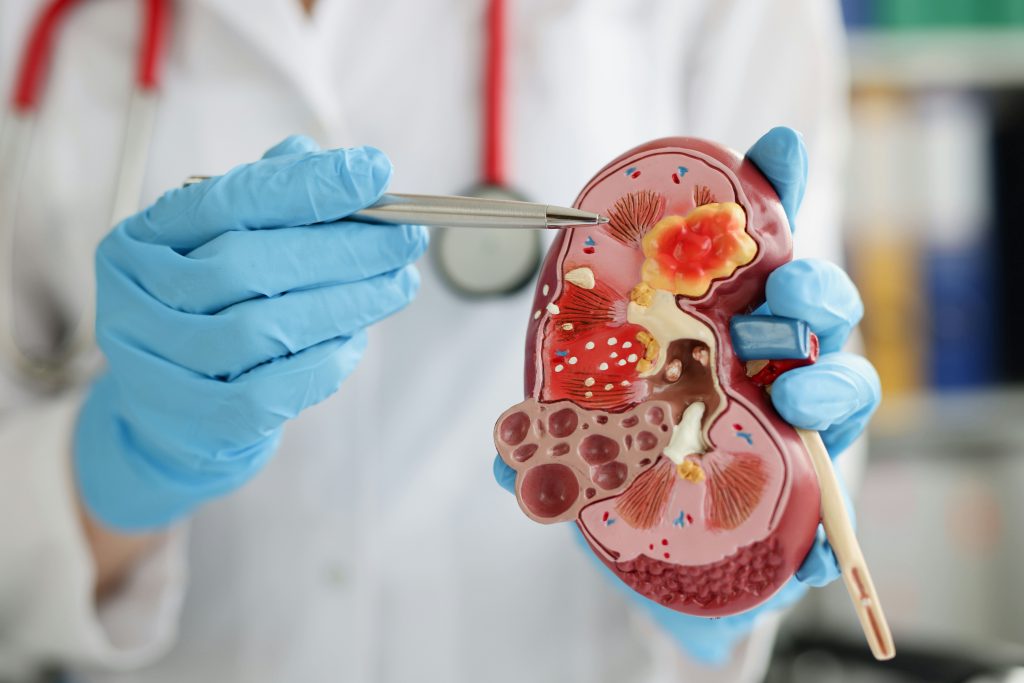
Young people, it’s time to start rechecking your lifestyle. What have you actually been doing to take care of your health lately? This question becomes increasingly relevant as diseases once considered “old people’s illnesses” are now starting to appear at a younger age. One of them is kidney failure, a disease that is quietly becoming an alarm for the younger generation. In a recent viral case, a man in his 20s developed kidney failure after frequently eating instant noodles.
Data from the Indonesian Ministry of Health shows that the prevalence of chronic kidney disease increased from 2% in 2013 to 3.8% in 2018, equivalent to more than 700,000 people. This increase is not only occurring among older adults, but also among younger age groups. Among those aged 15–24 years, the prevalence reached 1.33%; ages 25–34 years reached 2.28%; and ages 35–44 years reached 3.31%.
This trend is certainly worrying. After all, youth is often associated with the most productive period of life—a time to study, work, build a career, and pursue dreams. When diseases such as kidney failure begin to appear earlier in life, it is not only health that is threatened, but also daily activities, future plans, and life aspirations.
Kidney Failure: A Disturbing Disease
Naturally, every human is born with two kidneys that play an important role in keeping the body “on track.” These organs regulate the body’s fluid balance, help control blood pressure, activate vitamin D, produce red blood cells, and filter waste from the blood. In short, the kidneys are one of the body’s main filtration systems that keep us healthy.
In the medical world, kidney disorders are generally divided into two types: acute kidney failure, which appears suddenly and can usually recover if treated quickly and properly; and chronic kidney failure, which develops slowly, usually over more than three months, and in many cases can lead to permanent kidney damage.
The symptoms are also different. In acute kidney failure, a person may experience nausea, fatigue, seizures, a sudden decrease in urination frequency, and shortness of breath. Meanwhile, chronic kidney failure often develops more gradually, with symptoms such as difficulty sleeping, ammonia-like breath odor, constant fatigue, loss of appetite, and swelling around the eyes.
Because the symptoms are often considered minor, many people only realize something is wrong when the condition has already become serious.
So, Why Is This Happening?
This trend does not appear out of nowhere. One of the biggest triggers is a lifestyle that is increasingly far from ideal. Many young people are used to consuming foods high in sugar, salt, and ultra-processed ingredients designed to be intensely flavorful, highly textured, and often addictive. Added to this is the convenience factor—these foods are easy to find, quick to prepare, and always available nearby.
It’s not just food; drinks also play a role. Sweet flavored beverages, packaged drinks, and energy drinks are becoming increasingly popular among young people, while the habit of drinking plain water is often neglected. Over time, this combination can place extra strain on kidney function.
On the other hand, increasingly sedentary lifestyles—spending more time sitting and engaging in little physical activity—also raise the risk. Lack of movement can trigger obesity and diabetes, two conditions known to increase the likelihood of kidney disease. When these habits continue over time, the body is actually sending signals that something is wrong and that change is needed before the damage becomes severe.
How Can We Prevent It?
Actually, the steps to prevent kidney disease are not complicated—it simply starts with gradually shifting toward a healthier lifestyle. The problem is that good intentions often stop at the planning stage. Many people know what they should do, but consistency remains the challenge. That is why the increasing trend of kidney disease should serve as a reminder for young people to start building awareness about healthy living from an early age.
One simple step is improving eating habits little by little by choosing balanced, nutritious foods and consuming more natural, whole foods—especially plant-based foods. Small changes like these can become the beginning of a much bigger transformation.
For example, through movements like Meatless Monday Indonesia, which encourages people to eat more vegetables and fruits, maintain a healthy body weight, and reduce—or even avoid—ultra-processed foods and high-sugar drinks.
It is also important to pay attention to local foods. Local ingredients are usually fresher, minimally processed, and do not need to travel long distances before reaching the dinner table. As a result, these food choices are not only healthier for the body, but also more aligned with environmental sustainability and resilient food systems.
References
Ariani, R.D. 2024. Tren Gagal Ginjal Usia Muda, apa penyebabnya?
Amartha Empower Article
Halodoc. 2025. Perbedaan Gagal Ginjal Akut dan Kronis, mana yang lebih berbahaya?
Halodoc Article
Halodoc. 2019. Kenapa Manusia Memiliki Dua Ginjal?
Halodoc Article
