
 ID
 EN
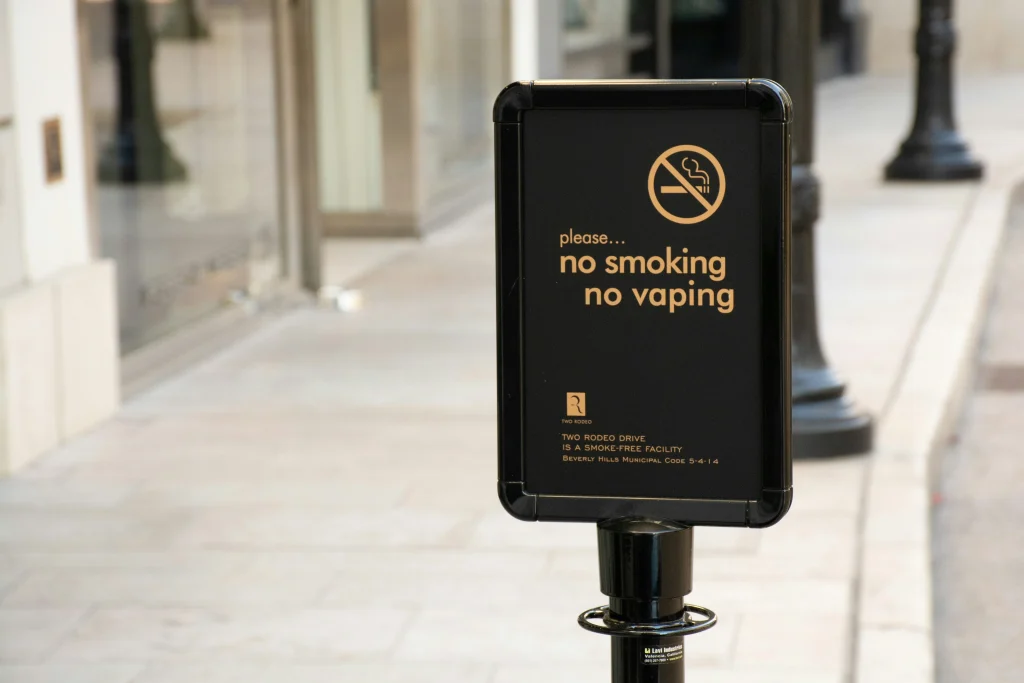
The Indonesian Ulema Council (Majelis Ulama Indonesia or MUI) has officially declared the use, production, and sale of electronic cigarettes, commonly known as vapes, haram (prohibited under Islamic law) through MUI Fatwa No. 131 of 2026 on the Ruling on the Use of Electronic Cigarettes (REL)/Vapes, issued on November 6, 2026.
This fatwa is based on three main considerations: health risks, environmental damage, and efforts to prevent the misuse of vapes as a means of distributing and consuming narcotics, psychotropic substances, and other addictive substances. The latter is based on the principle of sadd al-dzari’ah, which refers to preventing actions that may lead to harm.
The issuance of this fatwa serves as another reminder that vaping is not merely a trend or lifestyle choice. Behind its various shapes, flavors, and designs lie health risks that need to be understood, particularly by young people, who are more vulnerable to trends involving electronic cigarette use.
Getting to Know Vapes: What Are We Actually Inhaling?
Vapes, or electronic cigarettes, are electronic devices that heat a liquid (e-liquid) to produce an aerosol that users inhale. The liquid generally contains propylene glycol, vegetable glycerin, flavoring agents, and nicotine. When heated, it can produce an aerosol containing ultrafine particles, volatile organic compounds, and other chemicals.
Therefore, vape aerosol is not simply water vapor. Its contents can be inhaled by both users and people nearby, including infants and children. Exposure to nicotine and other chemicals may interfere with respiratory health and children’s brain development (Belinda, 2019).
The Growing Popularity of Vapes Among Young People
Vape use is becoming increasingly visible among young people, and their interest is not necessarily driven by curiosity alone.
Various factors may influence this behavior, ranging from peer pressure and social media trends to the desire to find an escape from stress. Sitinjak and Susihar (2020) identified the influence of peers on individuals’ interest in using vapes. Meanwhile, research by Diana et al. (2020) found an interest in electronic cigarettes among people aged 15–24. These findings suggest that young people are an important group to consider when developing educational initiatives about electronic cigarettes.
Psychological factors may also play a role. Raihana’s (2025) study explored several reasons why women use vapes, including curiosity, attempts to cope with stress, and the desire to switch from conventional cigarettes.
So, are vapes really necessary, or have they simply become part of a trend and a way of coping with pressure?
Behind the Variety of Flavors and Colors Lie Health Risks
Like conventional cigarettes, vapes also pose health risks. Although they do not burn tobacco like traditional cigarettes, the aerosol they produce is not free from harmful substances.
A study by Simanjuntak et al. (2023) discussed electronic cigarette aerosol as a source of exposure to various chemical compounds that may affect lung health. Certain substances found in vape aerosol, such as formaldehyde, may cause toxic effects. Meanwhile, vitamin E acetate has been linked to cases of lung injury associated with the use of certain vaping products, known as EVALI (E-cigarette or Vaping Product Use-Associated Lung Injury). This demonstrates that vape ingredients can pose different risks depending on the type of product and substances used.
The potential health impacts are not limited to respiratory health. A study by Sarfina and Utami (2023) also examined the potential effects of nicotine in vapes on oral health. Nicotine exposure can affect saliva production, potentially causing dry mouth and increasing the risk of dental and oral tissue problems.
Exposure risks should also be considered for people around vape users. Aerosols released into the air may contain nicotine and other particles. Nicotine exposure during pregnancy may also interfere with fetal development. Therefore, both vaping and exposure to vape aerosol should be avoided.
These health risks are also among the considerations outlined in MUI Fatwa No. 131 of 2026. In its explanation, MUI highlights the nicotine content in vapes, which affects the nervous system, is addictive, and can negatively impact health.
Are Vapes Becoming a Way for Young People to Cope with Stress?
If stress is one of the factors driving the growing popularity of vaping, there are actually many healthier alternatives to explore, such as exercising, pursuing hobbies, sharing feelings with someone they trust, or seeking professional support. Guidance from healthcare professionals and smoking cessation services can be more appropriate approaches than simply replacing conventional cigarettes with vapes without proper support.
One example is joining the Generasi RAW movement, initiated by Jalin Foundation, which encourages adolescent boys to build healthy, positive lifestyles and stay free from the harmful influence of tobacco products.
Another option is to access peer counseling services for adolescents aged 13–19 who have already started smoking and want to quit, through a collaboration between PKBI and Jalin Foundation. A peer counseling approach to smoking cessation can provide a safer, more supportive, and non-judgmental environment.
Ultimately, understanding the risks is the first step before making a decision. The issuance of MUI Fatwa No. 131 of 2026 reminds us that vaping needs to be viewed from multiple perspectives, ranging from health and the environment to its broader social impacts.
We should not let a device initially perceived as part of a lifestyle become a source of addiction and additional health and financial burdens.
So, before jumping on the latest trend, take the time to understand what you are actually consuming. After all, protecting our health is not about following trends, but about making wiser choices for ourselves.
Referensi
Belinda, G. (2019). The Dangers of Vaping for Children. https://www.honestdocs.id/bahaya-vape-pada-anak
Diana, N. K., et al. (2020). The Relationship Between Peer Influence and Electronic Cigarette Use Among University Students. Muhammadiyah University of East Kalimantan.
Nurin, F. (2022). Various Dangers of Vape Aerosol You Should Be Aware Of. https://hellosehat.com/hidup-sehat/berhenti-merokok/bahaya-menghirup-asap-vape/
Raihana, Z. (2025). The Phenomenon of Female Electronic Cigarette Users at Angkringan Sendok Melintir, Pakansari Village, Cibinong District. Faculty of Educational Sciences, Syarif Hidayatullah State Islamic University.
Sarfina, D., & Utami, N. D. (2023). An Overview of Electronic Cigarette Use and Oral Hygiene Status. Mulawarman Dental Journal, 3(1).
Simanjuntak, A. M., et al. (2023). Current Developments of Smoking and Vaping: Is Vaping Safer? J. Respi, 9(2), 159–168.
Sitinjak, L., & Susihar. (2020). Factors Influencing Adolescents to Use Electronic Cigarettes. JAKHKJ, 6(1).
