
 EN
EN  ID
ID 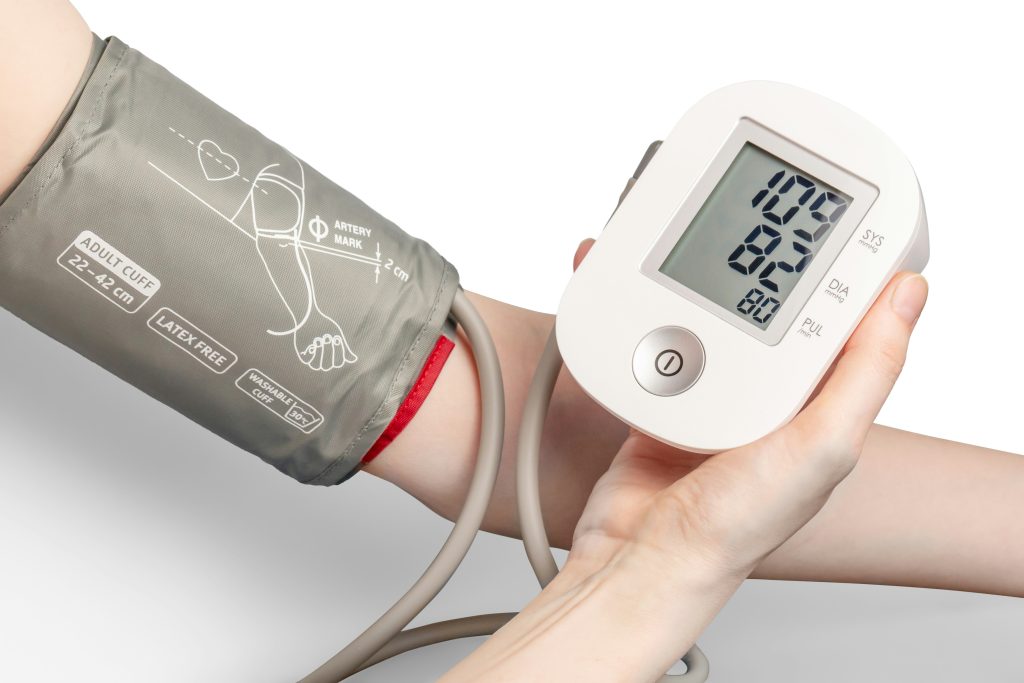
A total of 663,000 out of 4.8 million children were recorded as having high blood pressure during health screenings conducted through the Free Health Check Program (CKG) by the Indonesian Ministry of Health from January 1 to May 3, 2026. That number is alarming, especially considering that hundreds of thousands of school-aged children are already experiencing hypertension at such a young age.
This phenomenon needs serious attention because developing a disease early in life can disrupt a child’s future health and quality of life. Gradual improvements in diet and daily activity are necessary to help children avoid high blood pressure. So, what causes this condition to appear at such an early age?
High Blood Pressure at a Young Age
According to the Ikatan Dokter Anak Indonesia (Indonesian Pediatric Society), the causes of hypertension are divided into two groups: primary or essential hypertension, which is linked to family history and obesity, and secondary hypertension caused by certain diseases. Primary hypertension is commonly found in teenagers and accounts for around 85–90% of cases. It is rarely found in children under 10 years old.
Meanwhile, secondary hypertension is usually caused by illnesses such as kidney disease and renal blood vessel disorders. These conditions are more often found in young children and preteens. Overall, blood pressure in children is influenced by age, gender, and muscle mass.
The signs of hypertension in children can include fatigue, seizures, reduced consciousness, sudden blurred vision, headaches, nosebleeds, chest pain, uncontrolled weight gain, short stature, and muscle paralysis. Even newborn babies can show signs of hypertension, such as shortness of breath, excessive sweating, restlessness, vomiting, seizures, and pale skin.
Because of this, early blood pressure screening is important. Ideally, children from the age of 3 should have their blood pressure checked at least once a year. Babies born prematurely, weighing less than 2,500 grams, or those who required intensive care (ICU) should receive blood pressure monitoring even earlier.
Preventing Hypertension in Children
To prevent hypertension, parents need to pay close attention to children’s lifestyles. Some steps that can be taken include:
- Reducing salt intake in children’s meals, since sodium is a major cause of high blood pressure. When buying outside food, it is important to check the nutritional content. Children over the age of 3 are advised to consume no more than 1,500 mg of sodium per day.
- Limiting calories by reducing foods high in fat and sugar, such as candy and heavily processed snacks.
- Encouraging physical activity and limiting excessive screen time. Children who spend too much time playing video games or watching television and phones tend to become less physically active.
- Avoiding cigarette smoke, as it can raise blood pressure and damage the heart and blood vessels in children.
- Applying an anti-hypertension diet, where children consume less fat and more vegetables, fruits, and whole grains while reducing salt and sweeteners in foods and drinks, including juices. This approach aligns with Meatless Monday Indonesia, which promotes increased consumption of fruits and vegetables.
What Is the Role of Young People?
Young people also have an important role in this context—whether as older siblings, uncles, aunts, or future parents. They share responsibility in paying attention to the health of younger siblings, children, cousins, and relatives. If there are still smokers in the family, especially around children, it is important to stop immediately because secondhand smoke can endanger both the smoker and the family.
Inviting children to exercise together can help build consistency and encourage healthy habits from an early age. From a nutrition perspective, adults should also help children choose healthier foods by reducing foods high in sugar, salt, and fat, while explaining the health impacts of unhealthy eating habits.
Lastly, it is also important to limit excessive television watching and overuse of digital video platforms. These habits can encourage sedentary lifestyles or lack of movement. Therefore, balancing screen time with physical activity is essential.
Considering the growing number of children affected by hypertension, it is important to protect children’s health more seriously in today’s increasingly instant and fast-paced environment.
Don’t wait until health problems become a warning sign that arrives too late. Start with small steps today: maintain a healthy lifestyle, care about personal health, and actively participate in positive environments.
Join the Generasi RAW movement to continue learning, growing, and connecting through inspiring activities focused on health, healthy lifestyles, self-development, and social action alongside other young people. Because meaningful change always begins with a generation willing to move forward together.
References
Fadila, I. 2025. Hipertensi pada anak, kenali gejala hingga pengobatannya.
Hello Sehat Article
IDAI Article on Hypertension in Children
