
 EN
 ID
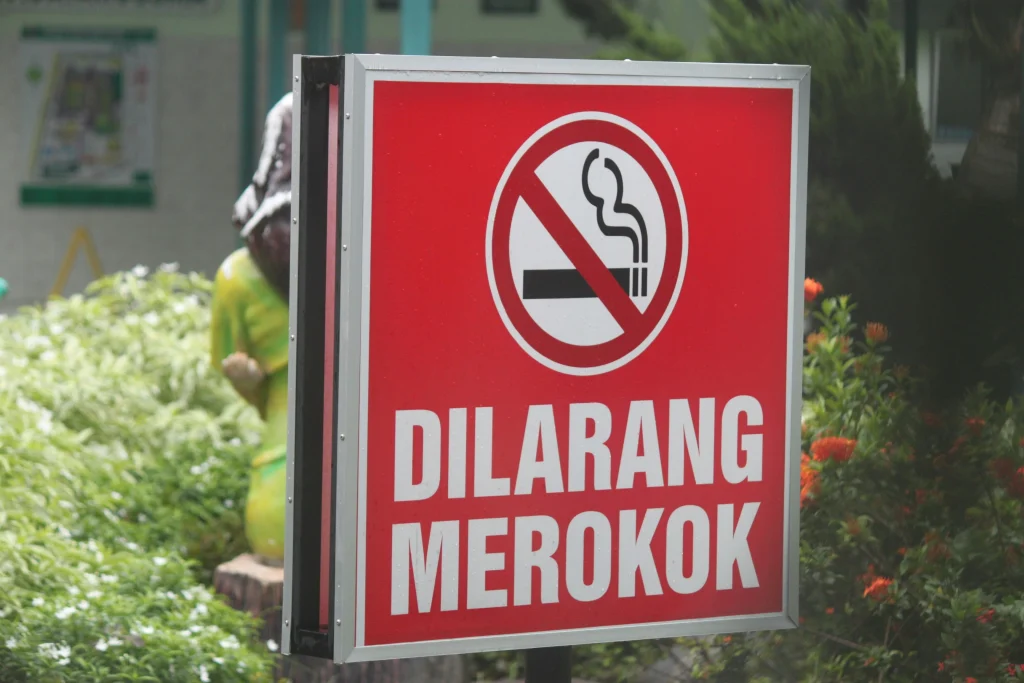
Recently, a viral Instagram post shared the story of a woman from South Tangerang who was rushed to the Emergency Room (ER) due to experiencing hardened blood vessels. The cause? Years of being a passive smoker from inhaling her partner’s cigarette smoke. This condition serves as a loud alarm that the dangers of cigarette smoke do not just damage the respiratory system, but also trigger fatal damage to blood vessels, especially for those with a history of high blood pressure.
How Does Cigarette Smoke Damage Blood Vessels?
When cigarette smoke is inhaled, toxic substances enter through the nose or mouth, pass through the throat, and end up in the lungs. Inside the lungs are millions of tiny air sacs (alveoli) surrounded by capillary blood vessels. Because the alveolar walls are so thin, thousands of harmful chemicals from cigarettes—including nicotine and carbon monoxide—penetrate directly into the bloodstream (Parmar, 2023).
The entry of these toxic substances triggers a chain reaction that damages the circulatory system:
- Blood Vessel Constriction: Nicotine causes blood vessels to constrict drastically and increases blood pressure.
- Endothelial Damage: Chemical exposure damages the endothelium, the protective layer on the inside of blood vessel walls.
- Plaque Buildup (Atherosclerosis): Continuous damage triggers inflammation and plaque accumulation. If left untreated, this plaque risks rupturing and forming a deadly blood clot (thrombosis) (Messner, 2014).
Fatal Risks of Blood Vessel Constriction on Vital Organs
Blood vessels are like main highways that distribute oxygen and nutrients. When this road is blocked by plaque, various body organs will experience a life-threatening decline in function:
- Heart: Constriction of blood vessels around the heart triggers coronary heart disease and heart attacks. Early symptoms include chest pain, shortness of breath, palpitations, easy fatigue, and nausea (NIH, 2024).
- Brain: If the blood supply to the brain is cut off, the risk of stroke increases drastically. Stroke signs often appear suddenly, such as a drooping face on one side, paralysis or numbness in the limbs, vision disturbances, and difficulty speaking (Mandaya, 2025).
- Kidneys: Poor blood flow to the kidneys disrupts their toxin-filtering function, triggering chronic kidney disease. Common symptoms are swelling in the legs, nausea, loss of appetite, and a decrease in urination frequency (Stanford Health Care, 2026).
The Looming Threat for Passive Smokers
Cigarette smoke contains more than 7,000 chemicals, dozens of which are carcinogenic or cancer-causing (Gupta, 2024). The danger is not only in the air (secondhand smoke). Toxic residue from cigarette smoke can stick and persist for a long time on walls, clothes, curtains, and home furniture (thirdhand smoke) (Arfaeinia, 2023; Matt, 2023).
Global data estimates that around 1.2 to 1.3 million non-smokers die every year due to exposure to cigarette smoke. Medically and scientifically, it is proven that there is no safe level of exposure to cigarette smoke for passive smokers (Nawawi, 2025).
How to Protect Yourself and Create a Smoke-Free Environment
Avoiding exposure to cigarette smoke requires more than just avoiding people who are smoking. It requires systemic change and social environment support:
- Implement Smoke-Free Home Rules: Ban all forms of smoking activities inside the house, especially around children, pregnant women, and the elderly.
- Speak Up: Do not hesitate to move away or politely ask someone not to smoke near you when in public spaces.
- Join Positive Communities: Support healthy environment movements like the RAW Generation campaign by the Indonesian Communication Network Foundation (Yayasan Jalin Komunikasi Indonesia). This program actively encourages young men to build a healthy, positive lifestyle free from the bad influence of cigarettes.
- Utilize Peer Counseling Services: For teenagers (13–19 years old) who already smoke and want to quit, assistance services are available from PKBI and the Indonesian Communication Network Foundation. A peer counselor approach makes the quitting process safer, more supportive, and free of judgment.
Blood vessel health is indeed influenced by many factors, ranging from diet and physical activity to blood pressure and diabetes. However, eliminating exposure to cigarette smoke is a crucial step to prevent blood vessel blockage before it’s too late.
References
- Arfaeinia, H., Ghaemi, M., Jahantigh, A., Soleimani, F., & Hashemi, H. (2023). Secondhand and thirdhand smoke: a review on chemical contents, exposure routes, and protective strategies. Environmental Science and Pollution Research International, 1 – 13. https://doi.org/10.1007/s11356-023-28128-1
- Gupta, A., Bansal, A., Dixit, P., & Kumar, K. A. (2024). The crossroads of work and home: linkages between smoke-free policies at work and household environments. BMC Public Health, 24. https://doi.org/10.1186/s12889-024-18658-9
- Mandaya. (2025). Mengenal Aterosklerosis dan Penanganannya. https://mandayahospitalgroup.com/id/mengenal-aterosklerosis-dan-penanganannya-di-rs-mandaya-royal-puri/
- Matt, G., Greiner, L., Record, R. A., et al. (2023). Policy-relevant differences between secondhand and thirdhand smoke: strengthening protections from involuntary exposure to tobacco smoke pollutants. Tobacco Control, 33. https://doi.org/10.1136/tc-2023-057971
- Messner, B., & Bernhard, D. (2014). Smoking and cardiovascular disease: mechanisms of endothelial dysfunction and early atherogenesis. Arteriosclerosis, thrombosis, and vascular biology, 34 3, 509-15. https://doi.org/10.1161/atvbaha.113.300156
- Nawawi, M., Balachandran, P., Janakiram, C., Sreedevi, A., Menon, J. C., & Thankappan, K. (2025). Effectiveness of Smoke-Free Home-based Interventions in Reducing Second-Hand Smoke Exposure in Children and Adults: A Systematic Review. Asian Pacific Journal of Cancer Prevention: APJCP, 26, 3145 – 3156. https://doi.org/10.31557/apjcp.2025.26.9.3145
- NIH (National Heart, Lung, and Blood Institute). (2024). Atherosclerosis Symptoms. https://www.nhlbi.nih.gov/health/atherosclerosis/symptoms
- Parmar, M. P., Kaur, M., Bhavanam, S., et al. (2023). A Systematic Review of the Effects of Smoking on the Cardiovascular System and General Health. Cureus, 15. https://doi.org/10.7759/cureus.38073
- Siloam. (2025). Mengenal Aterosklerosis, Kondisi Penumpukan plak di Arteri. https://www.siloamhospitals.com/informasi-siloam/artikel/apa-itu-aterosklerosis
- Stanford Health Care. (2026). Atherosclerosis Symptoms. https://stanfordhealthcare.org/medical-conditions/blood-heart-circulation/atherosclerosis/symptoms.html
