
 EN
 ID
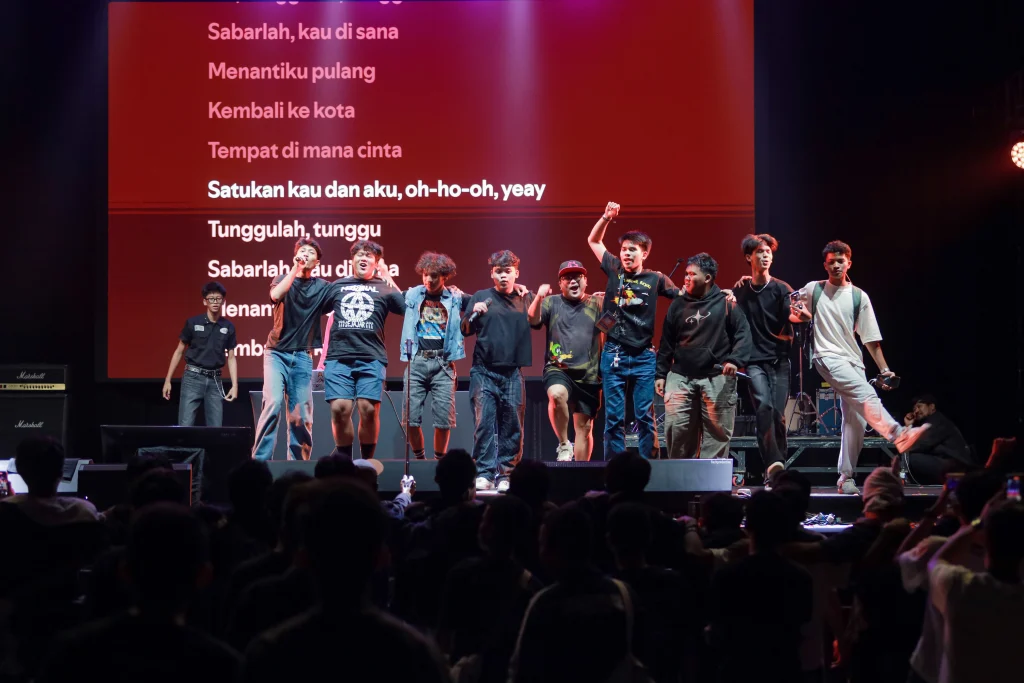
You’re listening to your favorite podcast, and suddenly there’s a cigarette sponsorship. You attend a music festival or a youth concert, and cigarette brand logos are everywhere. Even on social media, tobacco promotion has become increasingly aesthetic, creative, and closely aligned with youth trends. Without realizing it, the spaces where young people seek entertainment, socialize, and find inspiration have become filled with cigarette marketing wearing a new face.
In the past, cigarette advertising was synonymous with giant billboards or television commercials aired late at night. Today, however, the industry’s strategy is far more subtle.
Instead of relying on traditional advertisements, tobacco brands are now present through concerts, creative communities, podcasts, and digital content that feels like a natural part of young people’s everyday lives. As a result, the line between entertainment and advertising has become increasingly blurred.
This raises an important question: Are young people truly enjoying creative spaces that belong to them, or are these spaces gradually being infiltrated by tobacco marketing disguised as popular culture?
Why Are Podcasts and Festivals Being Targeted?
Podcasts and festivals have become popular platforms where young people express creativity, seek inspiration, and develop their talents.
Podcasts, in particular, allow young audiences to access entertainment, music, lifestyle content, and everyday conversations directly from their smartphones. The content feels relatable and closely connected to their daily lives.
According to the Jalin Foundation’s 2024 Jakarta Tobacco Survey, most Generation Z adolescents in Jakarta actively use social media, especially those aged 13–15, many of whom spend three hours or more online each day. Podcasts have also become one of their preferred sources of information and entertainment, with YouTube serving as the primary platform for listening and viewing.
This demonstrates that podcasts are no longer simply an additional form of entertainment—they have become an integral part of young people’s daily routines.
Amid this growing popularity, tobacco companies have begun taking advantage of the medium through increasingly subtle forms of soft-selling. Promotional messages are woven naturally into podcast conversations, making them feel more personal and far less like traditional advertisements. In many cases, these messages are delivered directly by podcast hosts or creators whom audiences already know and trust.
The influence of this marketing is significant. The same Jalin Foundation (2024) report found that approximately 56% of Generation Z respondents in Jakarta had been exposed to cigarette advertising or promotion during the previous month, primarily through television advertising (68%) and internet advertising (37%).
These findings illustrate that tobacco promotion is no longer dependent on conventional advertising channels. Instead, it has shifted into the digital spaces that young people consume every day.
Podcasts are not the only target. Music festivals have also become important venues for tobacco marketing. Concerts, creative community events, and cultural festivals are widely associated with youth culture and contemporary lifestyles.
Within these spaces, tobacco companies promote their brands through event sponsorships, interactive booths, branded merchandise, and creative brand activations designed to be visually appealing and highly engaging.
Historically, the tobacco industry has maintained close ties with music events. Since the 1980s, many concerts and festivals have been sponsored by cigarette companies seeking to associate their brands with freedom, creativity, and youth culture.
In Indonesia, however, the government has strengthened regulations through Government Regulation No. 28 of 2024 on Health, particularly Article 454, which limits sponsorship by the tobacco industry.
Yet the industry’s promotional strategies have evolved. Rather than appearing openly as headline sponsors, tobacco companies now more frequently establish interactive installations, branded experiences, or event activations that blend seamlessly into the overall festival atmosphere.
Musicians, content creators, and event organizers therefore hold an important responsibility. Rejecting tobacco sponsorship is not about limiting creativity—it is about creating healthier and safer entertainment spaces for young people.
Creating Youth Spaces Free from Tobacco Promotion
Tobacco companies should fully comply with existing regulations by refraining from embedding hidden cigarette promotions within podcasts, music festivals, and other youth-oriented events. Such practices indirectly create environments that are harmful to young people’s health by normalizing smoking and exposing them to tobacco marketing.
Young people themselves can also make conscious choices by supporting creators, festivals, and communities that reject tobacco sponsorship and refuse to become platforms for cigarette promotion. Doing so encourages organizers and creators to seek healthier partnerships and gradually reduce the presence of tobacco advertising within youth culture.
Communities focused on music, creativity, sports, and the arts can also work together to ensure that their activities remain free from tobacco industry influence. This helps prevent long-term dependence on tobacco sponsorship while fostering smoke-free environments where young people can safely learn, collaborate, and create.
Generasi RAW: Empowering Young People to Build Healthy Lifestyles
Through the Generasi RAW program, the Jalin Foundation encourages adolescent boys to embrace healthy, positive lifestyles that are free from tobacco influence. Generasi RAW believes that being confident, creative, and respected does not require smoking.
One example is RAW Festival 2026, held at Hall Basket Senayan in Jakarta. The festival celebrates young people’s creativity and talents while presenting music and activities that are relevant to teenagers—all without cigarette advertising or tobacco sponsorship.
More importantly, the program encourages young people to develop the confidence to make healthy decisions, think critically about environmental influences, and create positive spaces for their peers. These are essential qualities of a resilient generation.
For this reason, it is important that young people continue protecting their creative spaces, digital platforms, and community environments so they remain safe, inspiring, and free from tobacco promotion.
Ultimately, the future of young people should be shaped by creativity, talent, and achievement—not by an industry that sees them as its next generation of consumers.
References
Fahrial, F. (2025). Tobacco Industry Continues Targeting Young People Through Music Concerts; Government Urged to Strengthen Sponsorship Regulations. https://jakarta.suaramerdeka.com/nasional/13415899941/industri-rokok-terus-sasar-anak-muda-lewat-konser-musik-pemerintah-diminta-tegas-untuk-regulasi-sponsorship
Jalin Foundation. (2024). Jakarta Tobacco Survey Report. Jakarta: Jalin Foundation.
