
 EN
EN  ID
ID 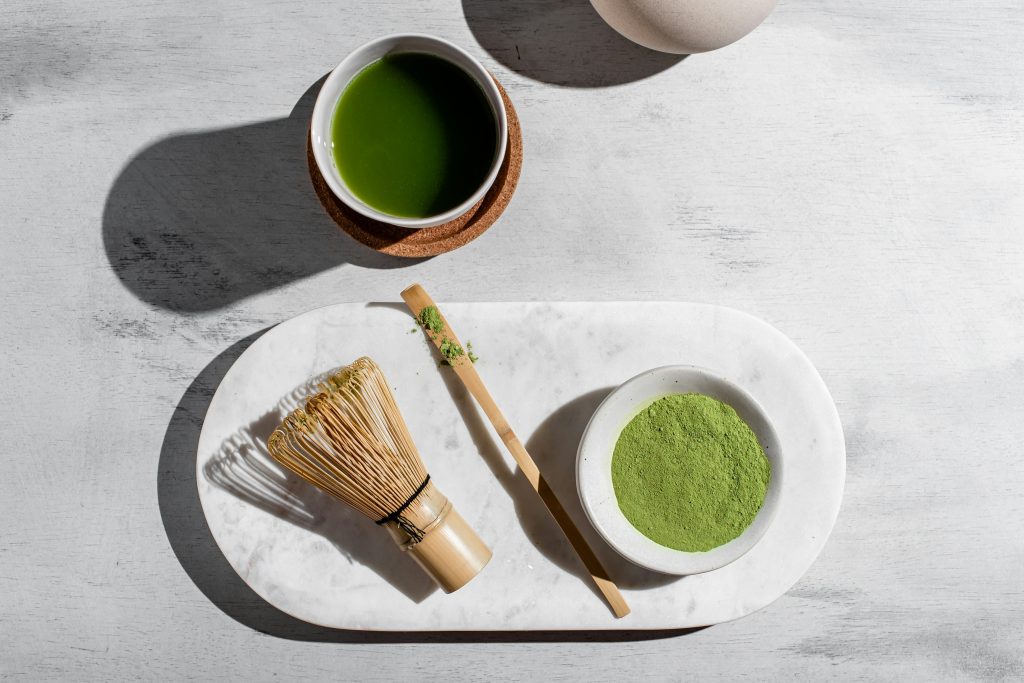
Social media timelines are flooded with food and beverage trends wrapped in all things matcha. The phenomenon of the “matcha era” has become a symbol of youth lifestyle, where a glass of matcha latte is no longer just a drink, but also a marker of social status. Initially, matcha’s popularity rose globally in 2024–2025, driven by viral trends on TikTok led by influencers, alongside a surge in tourism to Japan as the cultural center of matcha.
Matcha itself—a powdered Japanese green tea—is considered a superfood. Two teaspoons of matcha powder contain only around 14 calories and provide nutrients such as potassium, iron, fiber, and high levels of antioxidants, even three times more than regular green tea. However, behind these benefits lies a concerning health paradox.
In reality, most matcha drinks consumed by young people today are not pure green tea preparations, but high-calorie mixtures dominated by sugar syrup, sweetened condensed milk, and additional toppings. This unhealthy consumption pattern has created a lifestyle dependent on liquid sugar. If this trend continues without awareness of moderation, the “hangout culture” surrounding trendy drinks could become a pathway toward rising cases of early-age diabetes.
The Appeal of Matcha in Lifestyle Culture
The popularity of matcha did not grow organically because of its taste alone, but was largely driven by visual aesthetics on platforms such as Instagram and TikTok. A green cup of matcha is considered highly “Instagrammable,” offering social validation for those who post it.
Beyond its aesthetic appeal, matcha also has psychological effects because it contains L-theanine, a compound known to promote relaxation and calmness. This is especially attractive to students and workers seeking productivity support, as it creates a focused yet calm sensation without the jittery effects commonly associated with coffee.
However, this appeal has also shaped a lifestyle pattern that borders on addiction. When consumed as a form of “self-reward” or as part of work routines, the brain begins associating these sweet drinks with happiness. Without realizing it, young people are no longer seeking antioxidants from tea, but rather craving the sugar rush produced by the combination of matcha and added syrups that stimulate dopamine release.
Consumers also often perceive matcha drinks as inherently healthy. In fact, many trendy café beverages contain ingredients with low nutritional quality, such as matcha powder already mixed with sugar and creamer. Added sweetened condensed milk and flavored syrups are commonly used to create a creamier taste—and these additions are typically included in large amounts.
A single 500 ml serving of a commercial matcha latte—roughly equivalent to a small bottle of mineral water—contains around 30 grams of sugar. For comparison, the WHO recommends limiting added sugar intake to no more than 50 grams per day. This means that just one trendy matcha drink already fulfills nearly 60% of a young person’s daily sugar quota. Naturally, this poses serious health risks, including diabetes.
Health Risks in a Cup of Matcha
Long-term dependence on sugary matcha drinks can gradually trigger serious health consequences within the body, particularly insulin resistance. When the body is repeatedly exposed to spikes in glucose from liquid sugar every day, the pancreas is forced to work extra hard to produce insulin in order to regulate blood sugar levels. Over time, the body’s cells become less responsive and less sensitive to insulin. As a result, sugar remains circulating in the bloodstream instead of being converted into energy, eventually leading to type 2 diabetes mellitus.
Alarmingly, the sweet matcha trend appears to parallel another growing trend: younger diabetes patients. In the past, type 2 diabetes was considered a disease affecting older adults over the age of 40. Today, however, health clinics are increasingly encountering patients in their 20s showing signs of prediabetes.
According to Indonesia’s Badan Pusat Statistik (BPS), in 2003 there were approximately 29.1 million Indonesians over the age of 20 living with diabetes mellitus (DM). This number is projected to rise to around 41.9 million people by 2030.
Moreover, the “sweet drink lifestyle” has accelerated the number of young people affected by diabetes. Like a ticking time bomb, today’s younger generation faces significant risks of long-term complications such as nerve damage and kidney dysfunction even before reaching their most productive years.
Drinking matcha itself is not the problem—as long as it is consumed in moderation and with controlled sugar levels, such as choosing less sugar options. The key lies in portion size and composition.
So, are you one of those following the matcha trend? Or are you starting to cut back on sugary drinks?
References
- Alodokter – Matcha, Segudang Manfaat di Balik Rasa Pahitnya
- HelloSehat – Resistensi Insulin
- Kompas Health – Apa yang Terjadi pada Tubuh jika Minum Matcha Setiap Hari?
- Halodoc – Resistensi Insulin dan Dampaknya bagi Kesehatan
- Nilai Gizi – Matcha Tea Latte Nutrition Facts
- Ohayo Jepang Kompas – Global Matcha Fever
