
 EN
EN  ID
ID 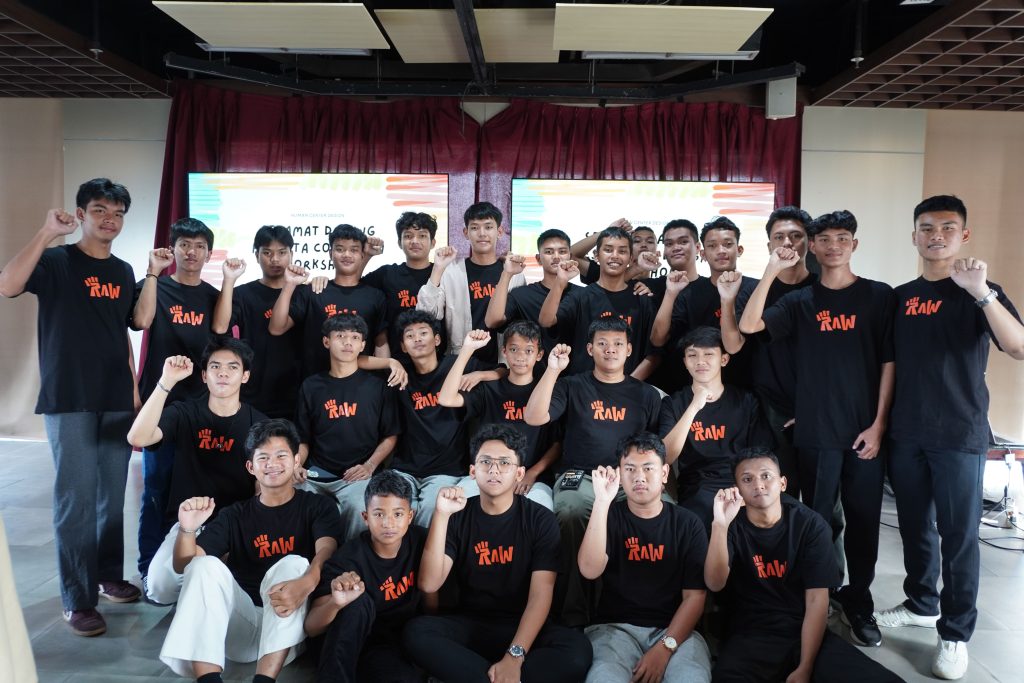
In Jakarta—a fast-moving city shaped by constant urban dynamics—cigarettes are no longer merely a product, but have become part of everyday teenage life. A baseline survey conducted by Jalin Foundation found that around 12% of adolescents are active smokers, while another 27% have tried smoking at least once. These figures are even higher among vocational high school (SMK) and Islamic senior high school (MA) students.
For many adolescents, smoking is not entirely a conscious choice, but rather a behavior shaped by their environment—from exposure to digital advertisements to peer pressure. This is where Generasi RAW comes in: a platform for male adolescents in Jakarta to support one another in pursuing their goals and personal growth. Generasi RAW encourages young people to take a stand on their choices amid social pressures and peer influence.
From “Being Told” to “Being Heard”
Recognizing the complexity of this issue, Jalin Foundation together with PKBI Bali adopted an unconventional approach: Human-Centered Design (HCD) grounded in a youth-first principle.
Instead of designing programs for adolescents, they invited adolescents to design the programs themselves.
“We believe the most relevant solutions come from those who experience the issue directly,” said a representative from Jalin Foundation. “Young people are not objects of change; they are the main actors.”
This approach radically shifted the dynamics. Adolescents were no longer positioned as passive audiences, but as creators of ideas.
Exploring Stories, Not Judging
The first stage of the HCD process began with an insight workshop aimed at reflecting on the journey of Generasi RAW over the previous year and mapping key questions for the program’s next phase—namely, deeper adolescent engagement.
The following stage was a co-design workshop held over three days (13–15 February 2026), involving 25 male adolescents from Jakarta with diverse backgrounds—active smokers, former smokers, and those who had never smoked.
The discussions evolved from simple conversations into deeper reflections. The process became increasingly dynamic. Participants discussed, debated, laughed, and even disagreed with one another. Yet through those interactions, ideas gradually began to take shape.
From Ideas to Action
By the end of the sessions, these ideas did not remain mere discussions. Participants began creating simple prototypes, ranging from visual campaign sketches and social media content concepts to community-based initiatives.
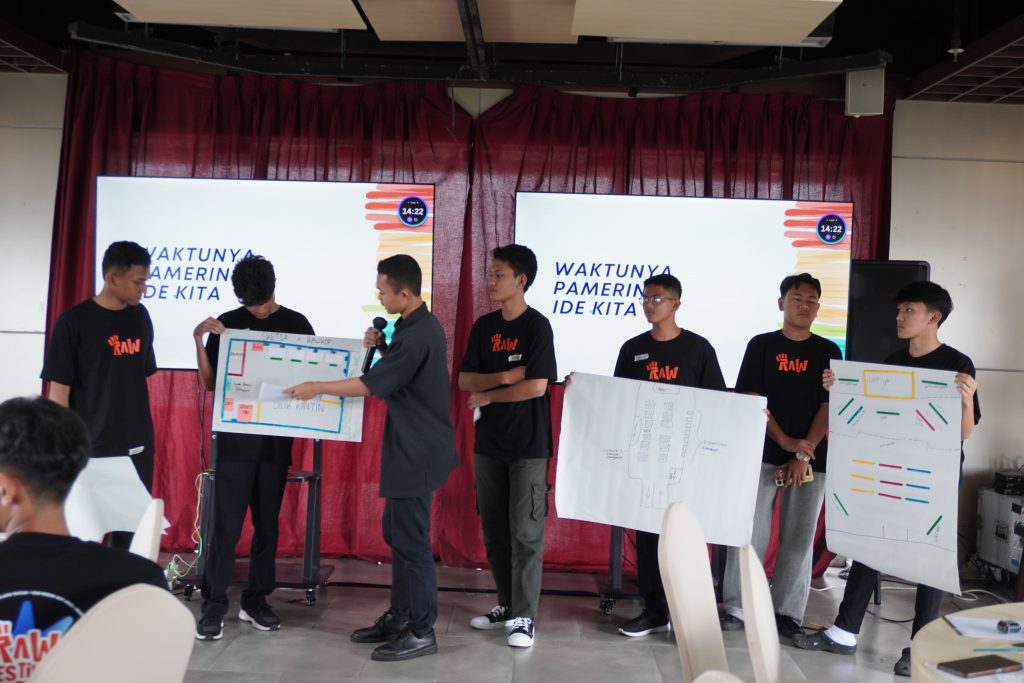
They then presented their ideas, received feedback, and refined them further.
“It was exciting because we felt heard,” said Gathan (16). “Usually, adults are the ones deciding everything.”
Meanwhile, facilitators observed a deeper transformation taking place.
“The most important thing is not only the ideas produced,” said the Jalin Foundation team, “but how they begin to realize that they have control over the choices they make in life.”
More Than Just a Campaign
This program is not solely about reducing adolescent smoking rates. More importantly, it is about building collective awareness. It is about how young people support one another. It is about empowering them to say “no” without feeling that they are losing their social identity.
A Beginning
Behavioral change does not happen overnight. However, through an approach that places adolescents at the center of the process, small but meaningful steps have started to emerge.
From a simple discussion space came not only campaign ideas, but also new perspectives.
That fighting tobacco use does not always have to begin with prohibition. Sometimes, it simply starts with listening.
Reference
Jalin Foundation. 2024. Jakarta Tobacco Survey Report. Jakarta: Jalin Foundation.
